To children of the ‘90s, the iconic Coca-Cola Christmas Truck ad (20+ years strong) is synonymous with the holidays and year after year this ad never fails to get us warm and Christmassy inside. ‘The holidays are coming’ soundtrack instantly transports us to a simpler, happier time – when we were young, carefree – and Christmas was about receiving. Not endless to-do/ to-buy lists. And now, for many, a Christmas celebration isn’t complete without a bottle of the red (labelled) stuff. This is the power of nostalgia marketing.
Nostalgia is defined by the Oxford dictionary as ‘a sentimental longing or wistful affection for a period in the past’. Nostalgia marketing is marketing that is aimed at evoking this feeling in your target audience.
Nostalgia inducing cues, from subtle colour changes or sound effects, through to brand characters and products, have been proven to drive emotional engagement with an ad. This feeling of connectedness has been observed to ‘weaken a person’s desire for money’ and consequently, increase the likelihood of them spending more freely (Nostalgia Weakens the Desire for Money, 2014). The success of Pokémon Go, hype surrounding the relaunch of Nokia’s 3310 and the popularity of ‘classic/retro/throwback’ everything – is testament to the ability of nostalgia to part consumers with their hard-earned cash.
Pepsi Throwback ‘Refreshingly Retro’
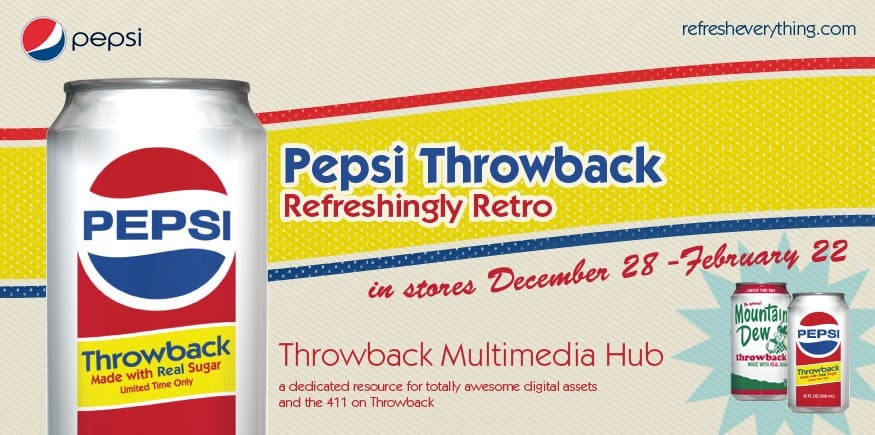
PepsiCo started selling ‘throwback’ cans of its cola, using a look and feel reminiscent of their famous ads from the ‘80s. Within the first few months post-launch, Pepsi sales increased by one share point, with approximately half counting as incremental growth (Warc). This approach engaged with the older audience’s desire to relive times in the past, whilst also resonating with the younger audience’s need for authenticity and the trend in retro products.
Does B2B have a heart big enough for nostalgia marketing?
B2B purchases are typically far more complex, of higher value and involve far more decision makers than B2C. Although much existing research and case studies centre on nostalgia’s power to influence B2C purchase decisions – it’s not to say that findings cannot be applied to B2B.
Firstly, it’s naïve to say that B2B buyers are completely different from B2C…ultimately, we’re all consumers (Huthwaite, CEO). Something that resonates with us emotionally on a personal level, will bridge over into all our decision-making to a greater or lesser degree. True’s global study found that ‘emotional messages are more memorable and therefore are more likely to contribute to brand and sales success’ even at a B2B level (The rule of three in every B2B purchase decision).
Nostalgia marketing resonates on a personal level and makes for a compelling and memorable way to tell the complex story marketers have to communicate in B2B. It is important, however for brands to avoid positioning themselves in the past – by quickly linking any nostalgic references to the present/future. For example: IBM’s 60/60 Exhibit, Micro Focus’ 50th Anniversary time machine and Yell’s ‘What we do hasn’t changed, just the way we do it’ campaign.
IBM, 60/60 Exhibit
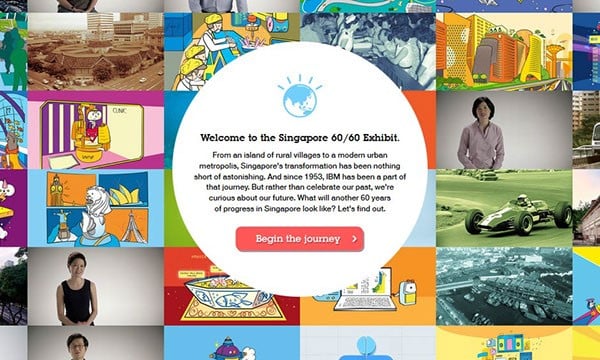
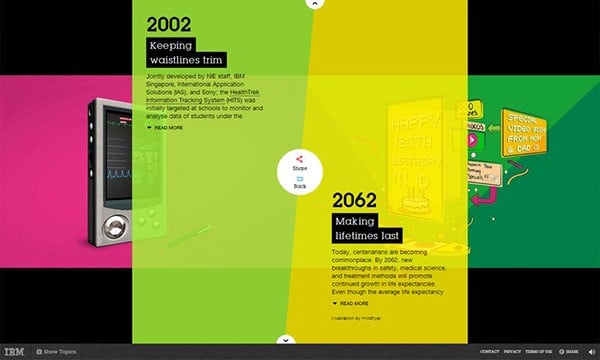
A perfect example of leveraging nostalgia whilst clearly positioning the brand in the future. For IBM’s 60th anniversary in Singapore they took the audience on a journey through 120 years of progress in Singapore – pairing the past accomplishments of the past 60 years, with 60 years into the future.
Micro Focus, 50th Anniversary time machine
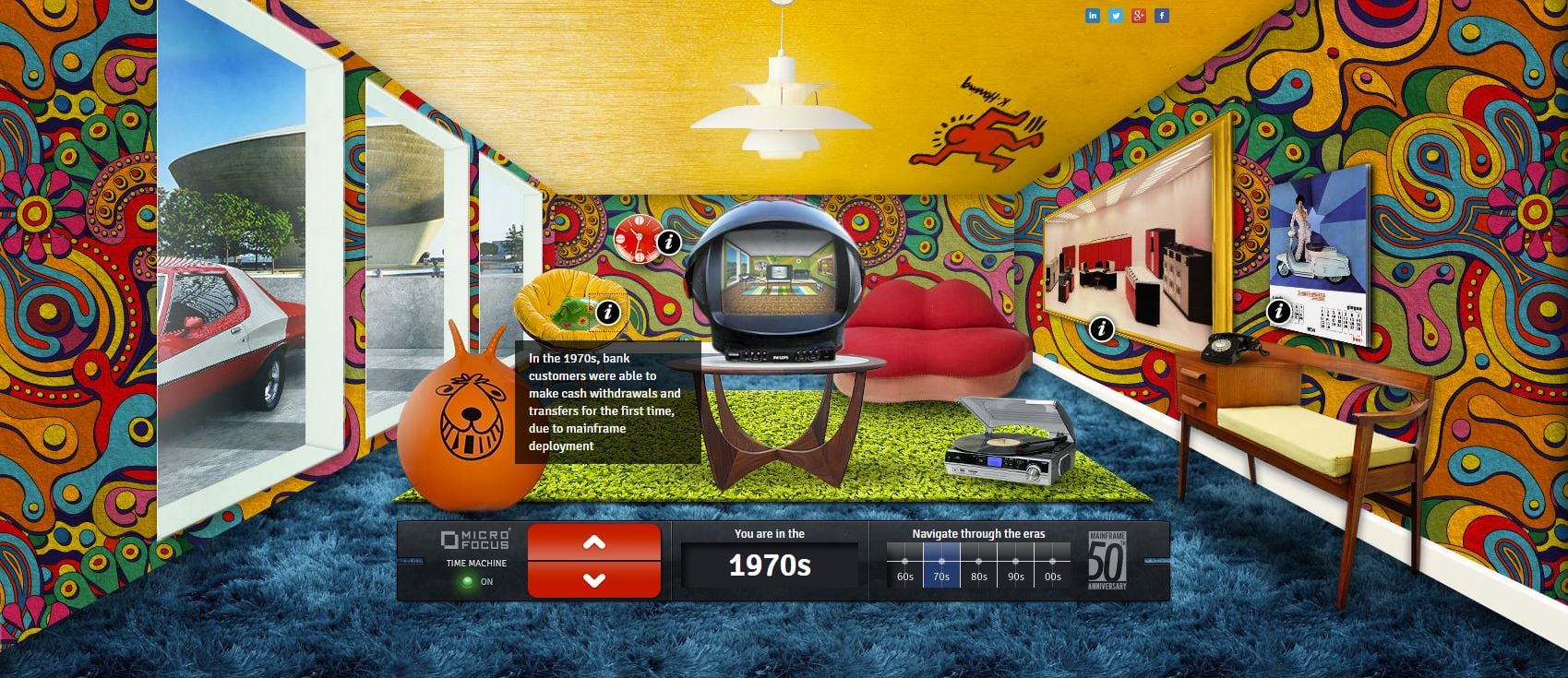
With a brand purpose of helping customers ‘bridge the old and new by maximising the ROI on existing software investments and enabling innovation’ – Micro Focus’ 50th Anniversary was the perfect opportunity to use the brand as a bridge between past and present technological advancements. This ‘time machine’ takes the audience on a journey from the 1960s to the modern day, reinforcing the role Micro Focus has played in past developments, and highlights why their unrivalled architecture is still the backbone of big business computing today and into the future.
Experience the time machine for yourself here: Micro Focus, 50th Anniversary time machine
Yell, ‘What we do hasn’t changed, just the way we do it’
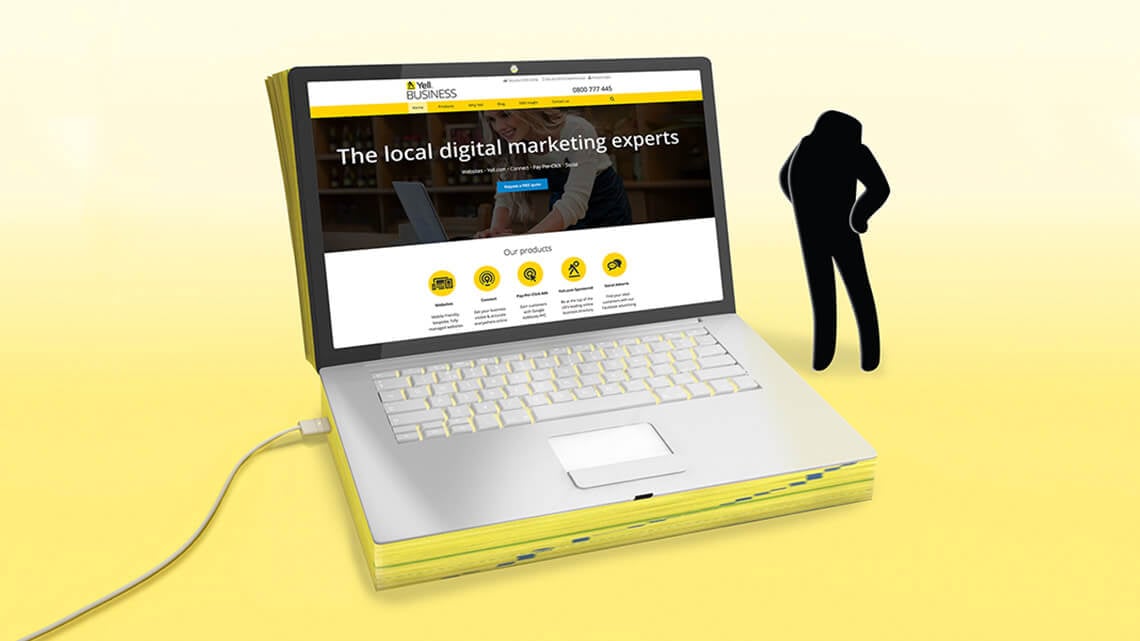
Yell, with a long history of championing and supporting local businesses – used the announcement of the final printed version of their iconic Yellow Pages, as a way to reinforce their brand purpose whilst communicating that they are continuing to do what they have always done, but now as a digital marketing business for SMBs. This campaign tells the story of the brand’s transformation to a 100% digital brand by bringing to life their iconic walking fingers in the form of an animated character called Hartley – in honour of their legendary JR Hartley TV ad.
Find out more here: Yell, 'What we do hasn't changed, just the way we do it'
Millennials will make up 50% of the workforce by 2020. As we age, our nostalgia yearnings grow, making us more receptive to marketing which drives feelings of ‘longing for positive memories from the past’ (Warc). With this in mind, there hasn’t been a better time for us, and particularly Millennials to reminisce, especially as (at the upper end of the bracket) they’ve entered the dreaded ‘mid-thirties’. They are more likely to embrace anything which enables them to cling to their youth for a little longer – from fondly reminiscing about the cartoons they watched, clothes they wore, to the music they listened to – there has been a resurgence in connecting with brands with our memories of yesteryear. Further evident in the popularity of hashtags such as #TBT (throwback Thursday) and #FBF (Flash back Friday).
Increased use of social media has also bridged the gap between B2B and B2C – enabling B2B marketers to connect, gain insights and understand their audience on a much more personal level. B2B marketers can use these insights to shape nostalgic marketing campaigns that humanise their brands and forge meaningful connections with audiences. For example, Microsoft’s Internet Explorer ‘Child of the ‘90s’ viral video.
Microsoft Internet Explorer ‘Child of the ‘90s’
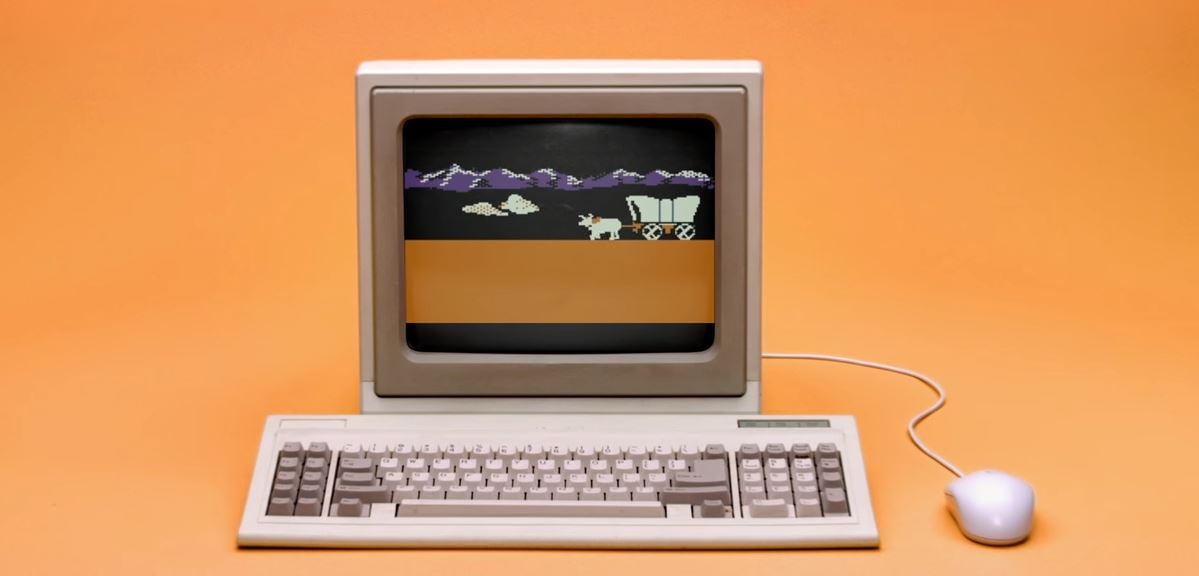
Nostalgia driven ad reintroducing Internet Explorer to the kids of the 90’s, was promoted on YouTube and earned viral recognition. Throwbacks such as Tamagotchi, dial-up internet and old PC games feature and form a part of the journey to modern day advancements. The ad then firmly positions Internet Explorer in the future by ending with ‘You’ve grown up. So did we. Reconnect with the NEW Internet Explorer.’
So...to throwback, or not to throwback?
Be they subtle or overt nostalgic cues – there’s no denying that in a world where we only get older – any brand that has the ability to look back and transport us (even momentarily) to a happier time when we were younger, worry free and wrinkle free – will no doubt gain our attention. And if done well, will remain memorable through all the clutter – contributing to longer term brand preference and future sales success.