True
  • About
    Fame is our growth strategy. Effectiveness is its proof.
    • Our story
    • Our approach
    • Our Effectiveness OS
    Explore our growth model
  • Work
  • Services
    Featured serviceSprint Studio
    • Programs
    • Marketing as a Service
    • Sprint Studio
    View all our services
  • Insights & Events
    Interactive toolThe Creative Scale
    • Webinars & Events
    • Research
    • Blog
    View all insights and events
  • Offices

    104 Oxford Street, London, W1D 1LP

    +44 (0) 207 952 2120

    • Contact
    • Locations
    Our global offices
  • About
    • Our story
    • Our approach
    • Our Effectiveness OS
    Explore our growth model
  • Work
  • Services
    • Programs
    • Marketing as a Service
    • Sprint Studio
    View all our services
  • Insights & Events
    • Webinars & Events
    • Research
    • Blog
    View all insights and events
  • Offices
    • Contact
    • Locations
    Our global offices
20 October 2015 by Olga Angelaki

It’s Show Time, Folks!

Words or pictures, pictures or words? This is the age-old argument for what works best in advertising.

We are all familiar with cliches such as ‘a picture is worth a thousand words’, and ‘actions speak louder than words’, but considering the little amount of time an ad has to communicate, a picture is invariably the quicker option. Plus there’s a strong argument to prove that consumers are becoming more and more visual, and less and less focused on literacy. People think using pictures. Dr. Lynell Burmark, writer of several books and papers on visual literacy, said: “...unless our words, concepts, ideas are hooked onto an image, they will go in one ear, sail through the brain, and go out the other ear. Words are processed by our short-term memory where we can only retain about 7 bits of information (plus or minus 2). This is why, by the way, that we have 7-digit phone numbers. Images, on the other hand, go directly into long-term memory where they are indelibly etched.” In most cases, it’s more interesting to show than tell.

So let’s have a break from words and enjoy some pure visual communication examples...
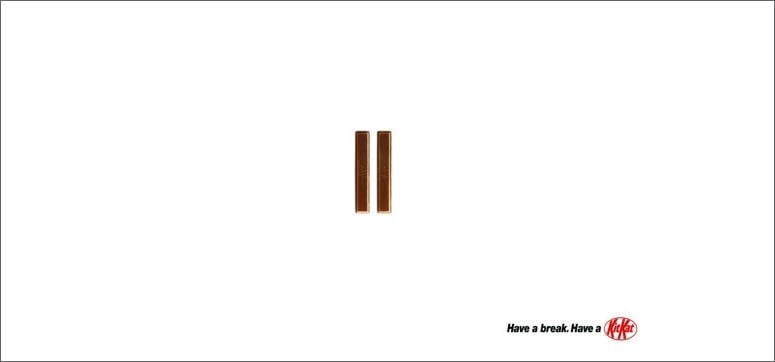
JWT KitKat Pause Visual

Kit Kat, JWT London

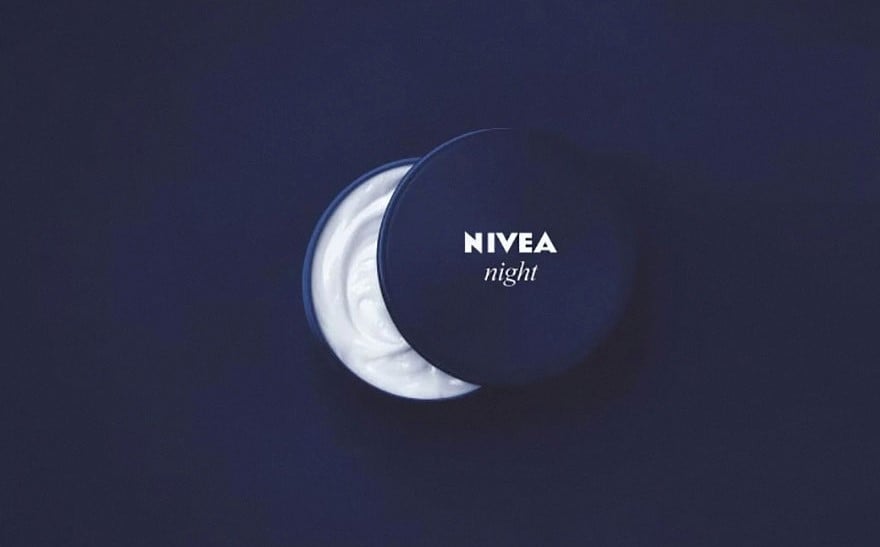
Nivea Crescent Moon Visual

NIVEA night, TBWA/NEBOKO, Netherlands
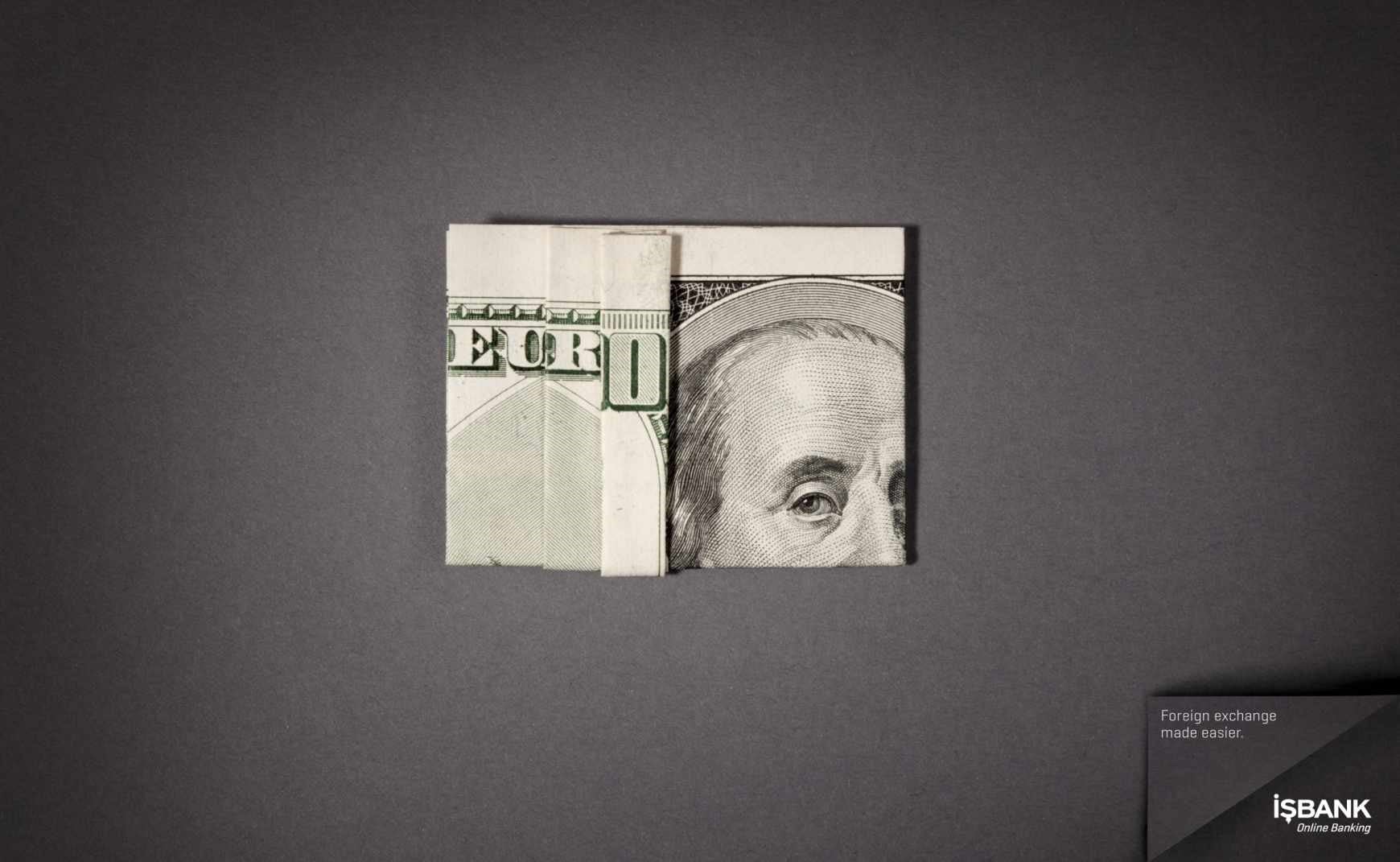
Leo Burnett Folded Dollar Euro Advert

İşbank, Leo Burnett Brussels

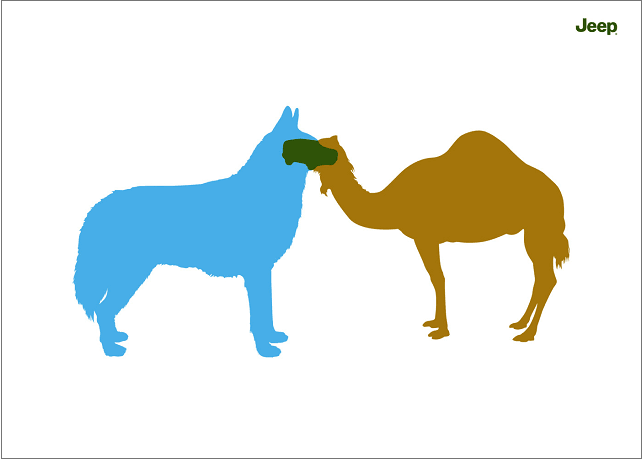
Dog Camel Jeep Visual

Jeep, BBDO Proximity, Malaysia

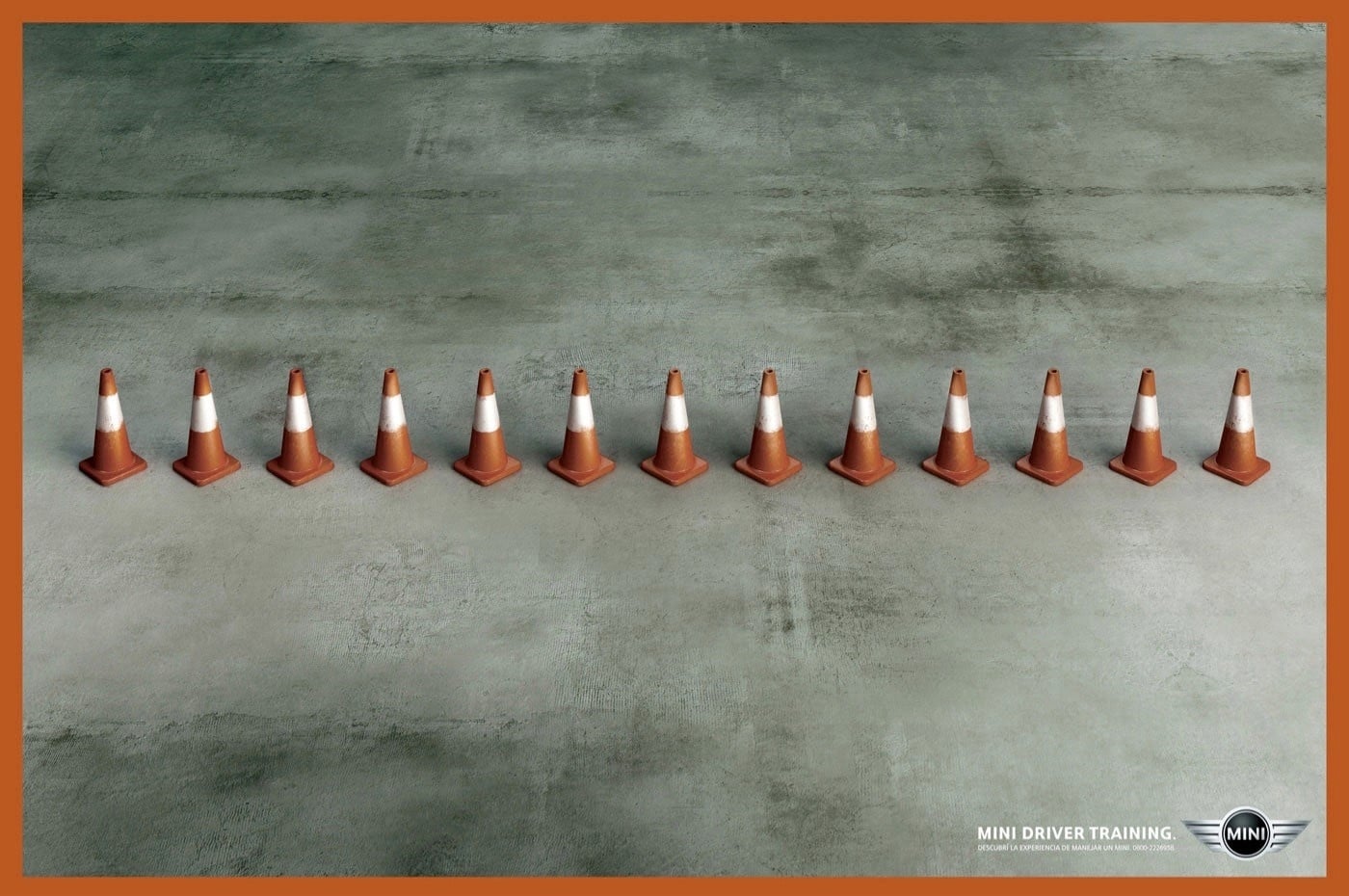
Mini Driving School Cones Ad

Mini Cooper, DraftFCB Argentina

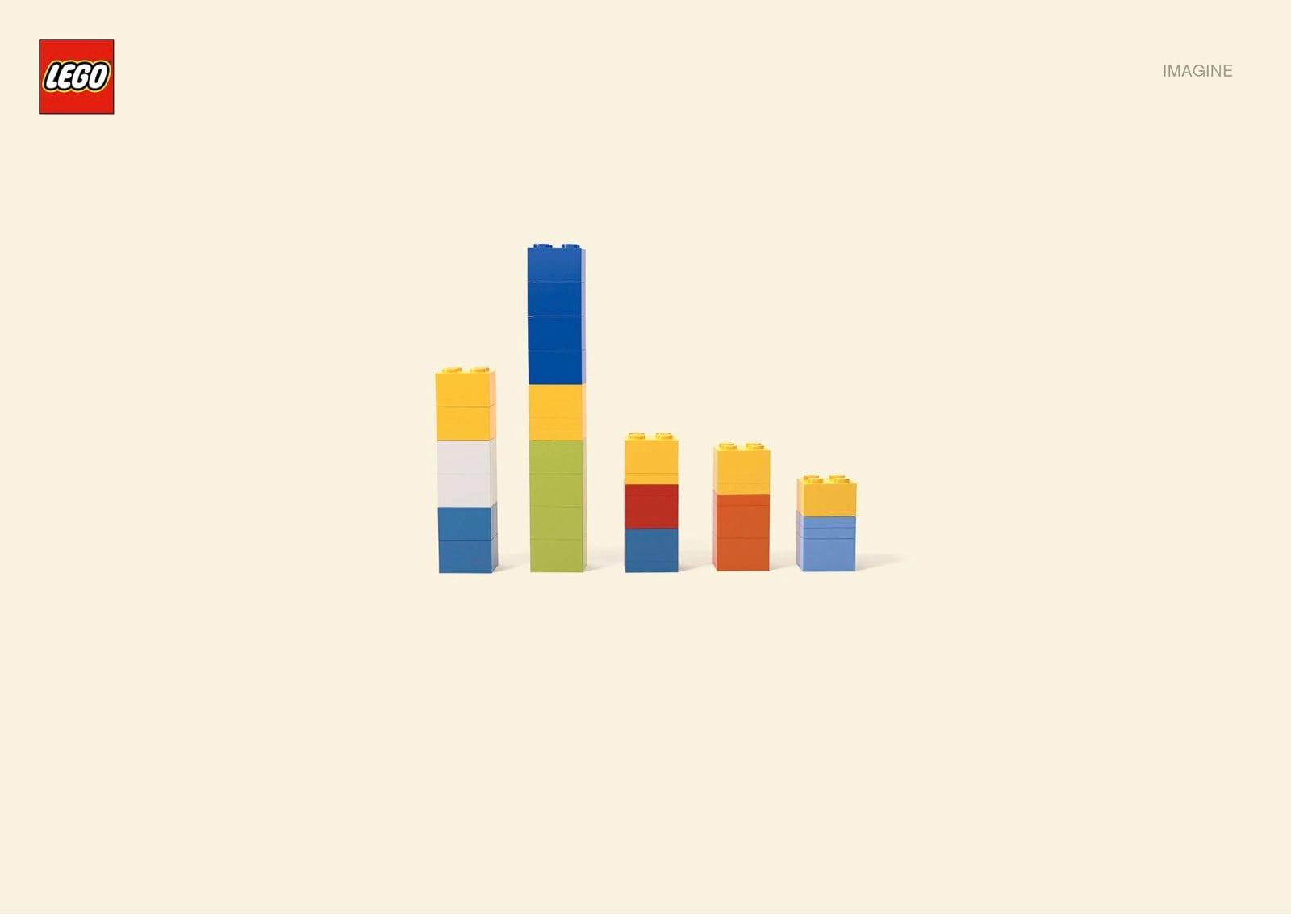
Lego Simpsons Jung von Matt Advert

LEGO, Jung von Matt, Hamburg

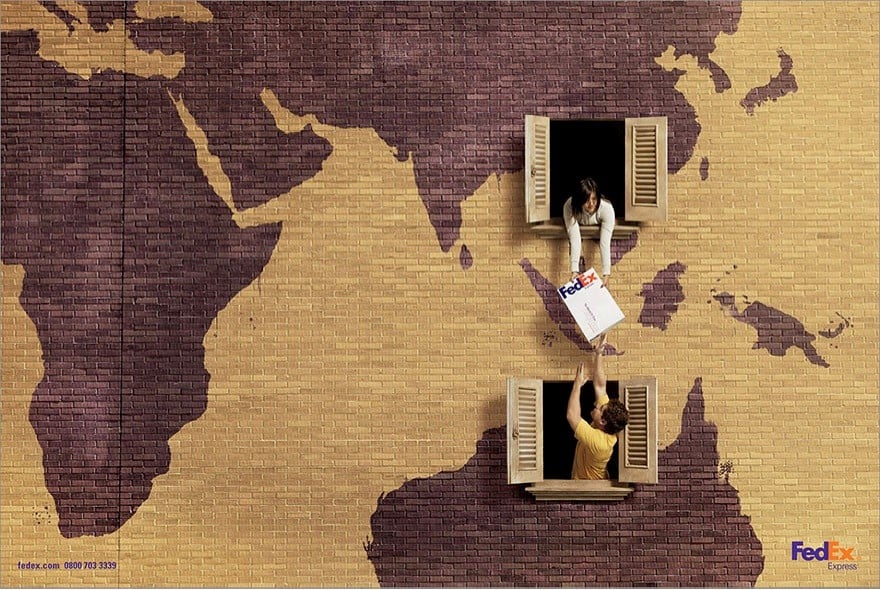
Fed EX Australia China Image

FedEx, DDB Brazil

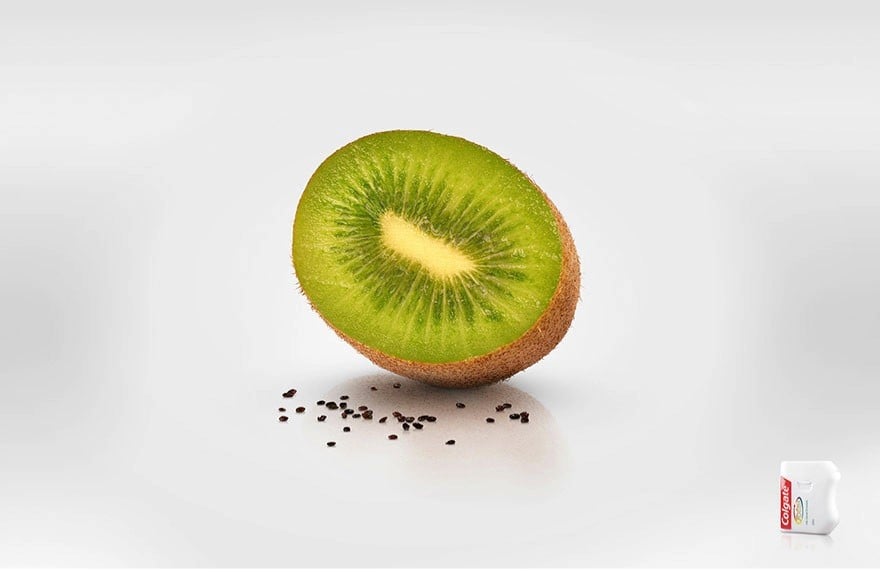
Colgate Kiwi no seeds floss advert

Colgate, Cerebro Y&R, Panama

Even Penguin Audiobooks and Scrabble use the power of pictures to sell – ironically – the power of words.
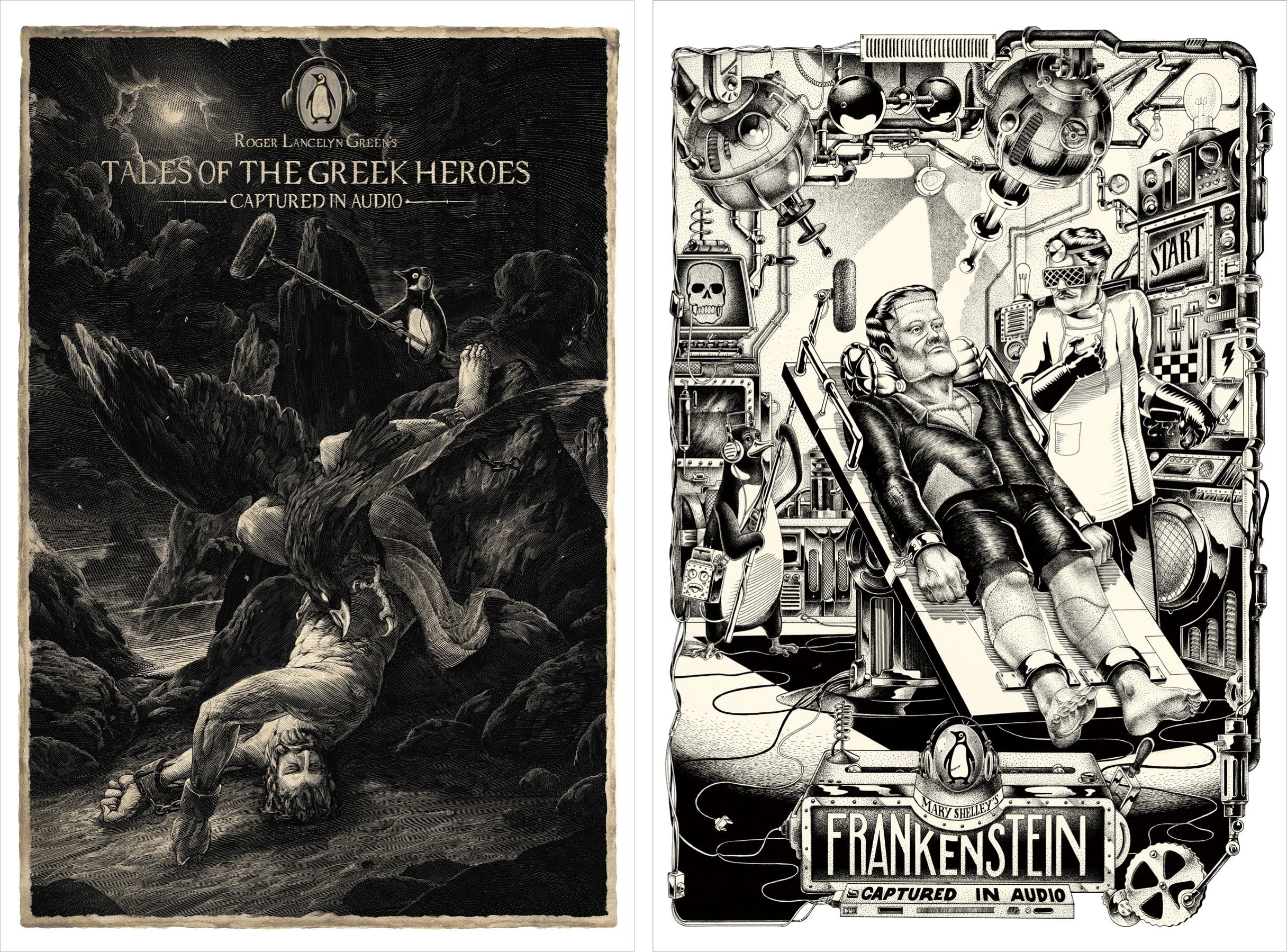
Penguin Audiobooks recording Frankenstein Greek Myths Cover

Penguin Books, Y&R, Beijing

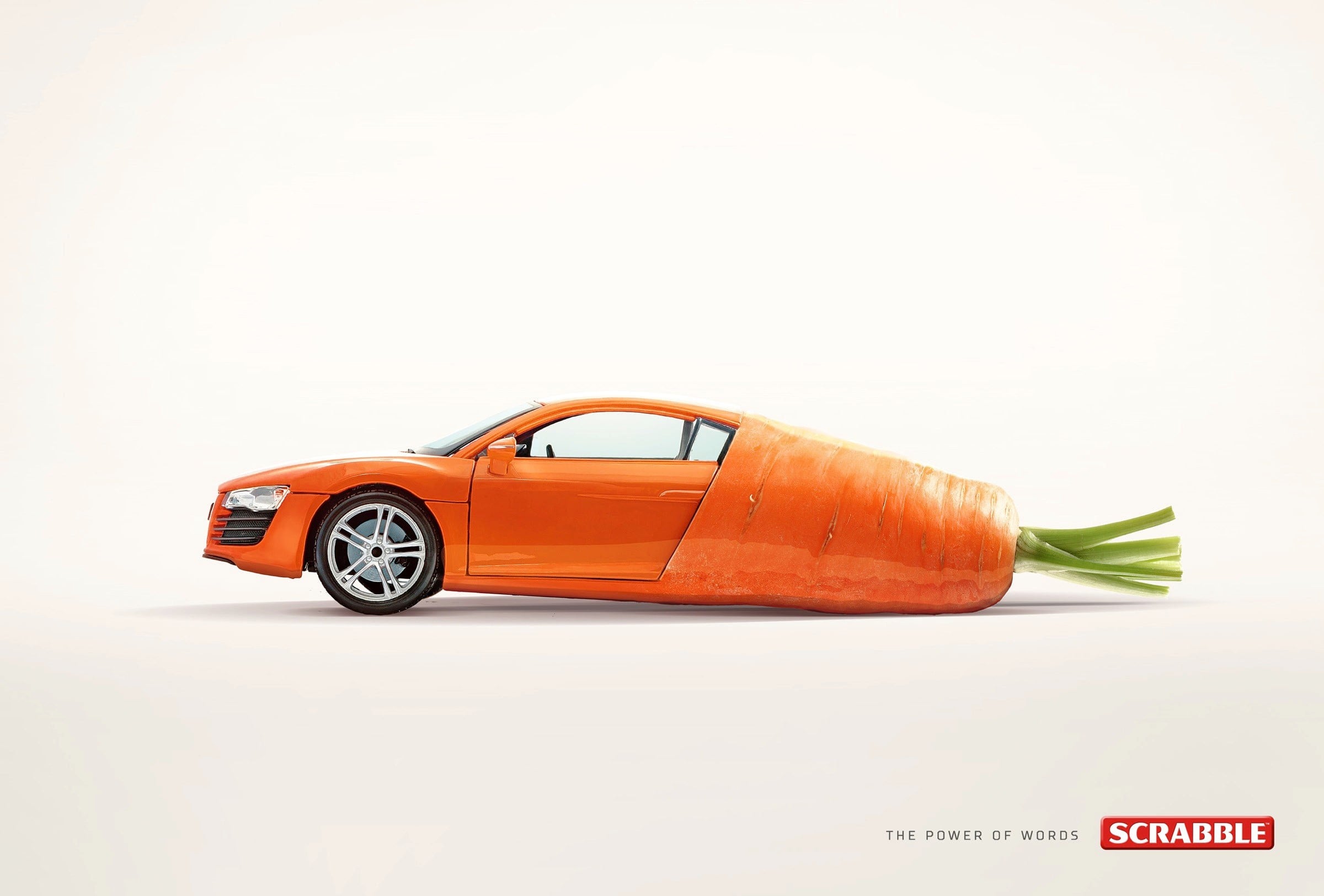
Scrabble Advert Car carrot

Scrabble, Twiga, Kiev

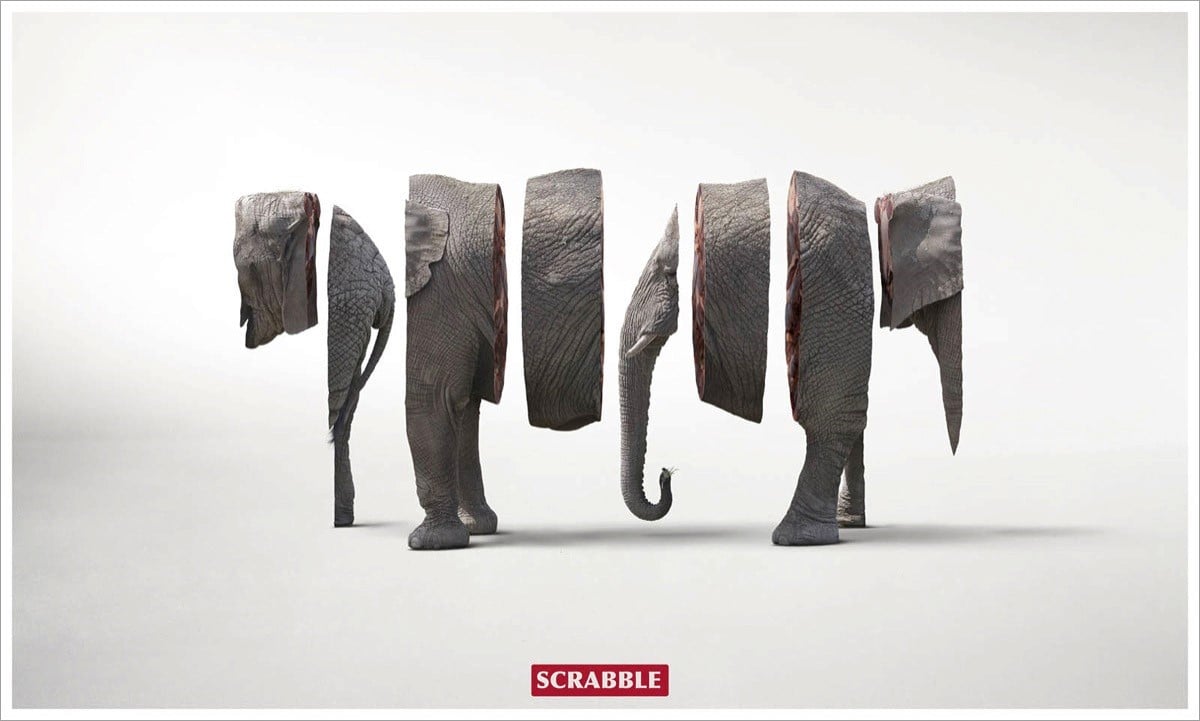
Jumbled Elephant Scrabble JWT Visual

Scrabble, JWT Chile

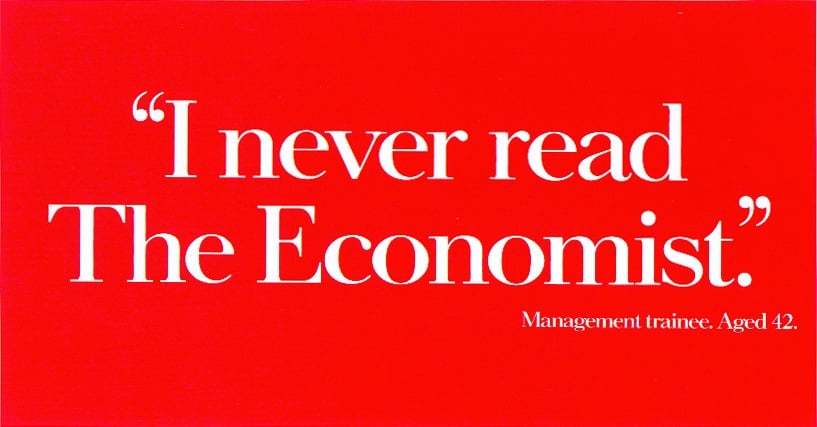
Of course, pictures aren’t always more effective than words. Infographics work best using both. There are, however, times when words are more appropriate and/or more powerful, depending on what you want to say, how you want to say it, and to whom. The most famous example of this genre has to be The Economist campaign by BBDO London.
Economist Advert Managment Trainee 42

The Economist, BBDO London

The key is to remember that people aren’t stupid. You don’t always need to explain or even show every part of your idea to them. Leaving a bit for the consumer to figure out will engage them with your idea. That’s why imagination is perhaps the most powerful tool of all. So try not to show all your cards. Give them just enough information to be able to “fill in the gaps”. Don’t reveal, imply.


Explore this topic
CreativityStrategy

Related articles

Blog
28 April 2026 by Richard Parsons

Inside the Judging Room: Trends and Contrasts at the ANA B2 Awards

Recently, I had the privilege of sitting on the judging panel for this year’s ANA B2 Awards. Reviewing the submissions provided a fascinating look under the hood of modern enterprise strategy, and several clear trends emerged that I am already discussing here at True.

Continue reading
Blog
12 May 2023 by Richard Parsons

The 95-5 Rule of Advertising

The 95-5 Rule of Advertising* states that 95% of your potential buyers are not ready to buy today. These 95% are “out-market” today, but will be “in-market” sometime in the future.

Continue reading
thedrum2Blog
14 November 2019 by Tom Busby

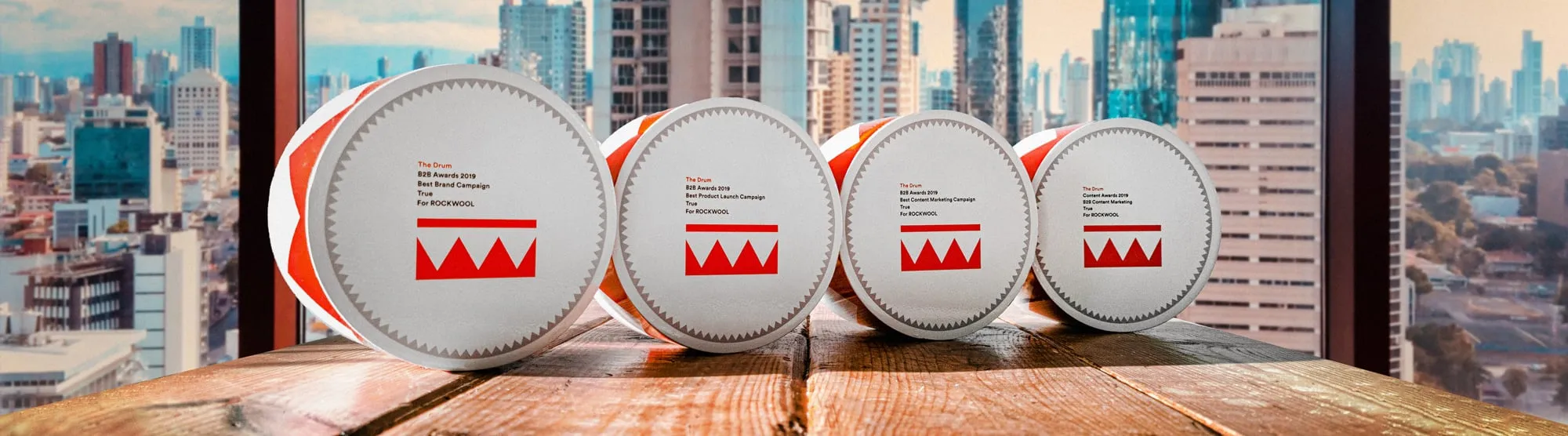
We’re on a ‘Drum’ roll… four wins at The Drum Awards in one week

The results for The Drum B2B Awards and The Drum Content Awards are in, and we’re incredibly proud to announce that True won in all four of its shortlisted categories.

Continue reading

Subscribe to the latest
from True

The latest thinking, research and events from True, straight to your inbox.

Insights & Events
All Insights & EventsWebinars & EventsResearchBlogPodcasts
True

104 Oxford Street
London
W1D 1LP

+44 (0)207 952 2120

New Business: richard@trueagency.com

General enquiries: info@trueagency.com

Careers: jobs@trueagency.com

Choose
Fame.

True is the creative and media agency for B2B brands that refuse to blend in. We build fame, preference and measurable growth through award-winning creativity, high-attention media and a relentless focus on marketing effectiveness.

Talk to us Follow us
©2026 True Agency Limited. All Rights Reserved.
CareersTermsPrivacy